<< Back
5 Household Chores That Count as Exercise, According to a Doctor
November 01, 2026
The gym gets all the glory when it comes to working out, but you might be getting more exercise around the house than you realize.
Between hauling loads of laundry, vacuuming the house and weeding the garden, your typical household chores can get your heart pumping.
“It’s easy to underestimate how much everyday movement matters,” says Kitty George, MD, a primary care physician with Hartford HealthCare. “You don’t need an intense workout to benefit. Regular movement throughout the day improves energy, mobility, circulation and even mood.”
And with a few adjustments, you can get even more out of the chores you’re already doing.
Here are a five ways to make housework into a little more of a workout.
1. Pick up the pace while you clean
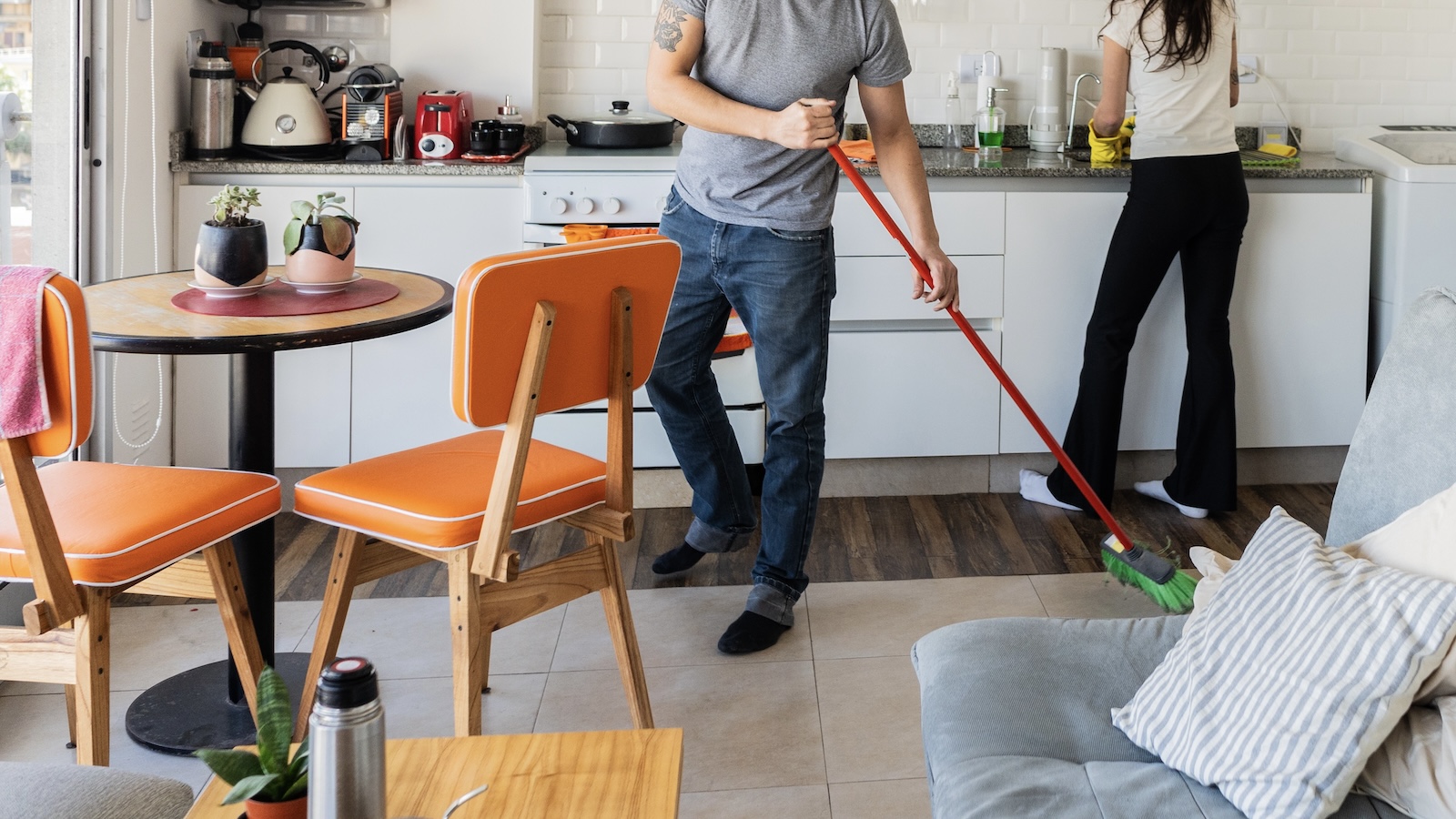
If you’ve ever worked up a sweat scrubbing the bathroom or vacuuming the whole house, you know cleaning can be a surprisingly physical activitu.
And the faster you move, the more of a workout you’ll get.
“Vacuuming, mopping, or scrubbing can reach moderate-intensity activity when you do them with a bit more purpose,” Dr. George says. “Moving a little faster engages more muscle and adds a real cardiovascular benefit. This tracks how researchers actually classify activity: brisk chores like vacuuming or scrubbing fall in the same moderate-intensity range as a brisk walk.”
Instead of casually tidying one room at a time, try moving without stopping for 10 or 15 minutes. Put some music on, stay on your feet and avoid long pauses between tasks.
“And you’ll likely get the cleaning done faster, too,” Dr. George adds.
> Related: Do You Really Need 10,000 Steps a Day?
2. Turn laundry into lifting
Laundry may not seem physically demanding, but it’s full of opportunities to build strength and mobility.
“Simple movements like squatting, lifting, and carrying help maintain functional strength,” Dr. George says. “Those are the same movement patterns that matter most for aging well and for keeping your independence as you get older.”
Next time you’re doing laundry, pay attention to how you’re moving.
Instead of bending from the waist, try squatting to pick clothes up from the floor or basket. Carry smaller loads one at a time to add extra walking trips, especially if stairs are involved. Folding clothes while standing instead of sitting can also keep your body moving longer.
> Related: The 7 Healthy Habits That Can Improve Your Health in 30 Days
3. Don’t just stand around while you cook
Waiting for the pasta water to boil? You’ve probably got a few minutes to spare. Instead of scrolling through your phone, use that time to move around a little.
While waiting for water to boil or food to cook, try:
- Walking around the house.
- Doing calf raises at the counter.
- Stretching your shoulders or hips.
- Marching in place.
“It doesn’t seem like much, but these small movements add up — especially for people who aren’t currently doing any structured exercise,” Dr. George says. “Spreading everyday movement throughout the day is often more sustainable than relying on a single workout.”
4. Get a workout in the yard
Anyone who’s spent an afternoon raking leaves knows yard work can leave you sore the next morning.
Between digging, weeding, pushing a lawn mower and hauling bags of leaves, there’s plenty of physical activity to be had outside.
“Yard work combines movement, strength and time outdoors, which supports both physical and mental health,” Dr. George says.
To get the most out of your time outside, try:
- Switching sides while raking
- Using your legs when lifting bags or pots
- Taking stretching breaks between tasks
> Related: 5 After-Work Habits That Can Make or Break Your Health
Make chores less convenient on purpose
Usually, the goal of housework is to get it over with as quickly as possible.
But if you’re trying to move more during the day, being a little less efficient might actually work in your favor.
“Building more movement into your day often comes down to creating small opportunities for activity,” Dr. George says. “None of these choices takes extra time, but together they add up.”
Try:
- Carrying groceries in smaller loads
- Taking extra trips upstairs
- Parking farther away while running errands
- Putting household items away one at a time
- Walking while talking on the phone
“These habits may not feel significant in the moment,” Dr. George adds. “But over weeks and months, they can make a huge difference for your overall activity level.”